


17th June 2025
Sello Motseta
The Institute for Labour and Employment Studies(ILES) will hold its 4th Annual Labour Conference with the forward looking theme “Future Ready: Labour Rights and Productivity in the Digital Revolution,” to explore how the rapid pace of technological change is reshaping workplaces, labour rights and productivity for a digital future that is inclusive, fair and sustainable.
It endeavours to unpack how labour rights and productivity can be protected and enhanced in the face of digital disruption from artificial intelligence and automation to platform work and data governance. ILES will create a platform for constructive dialogue around issues.
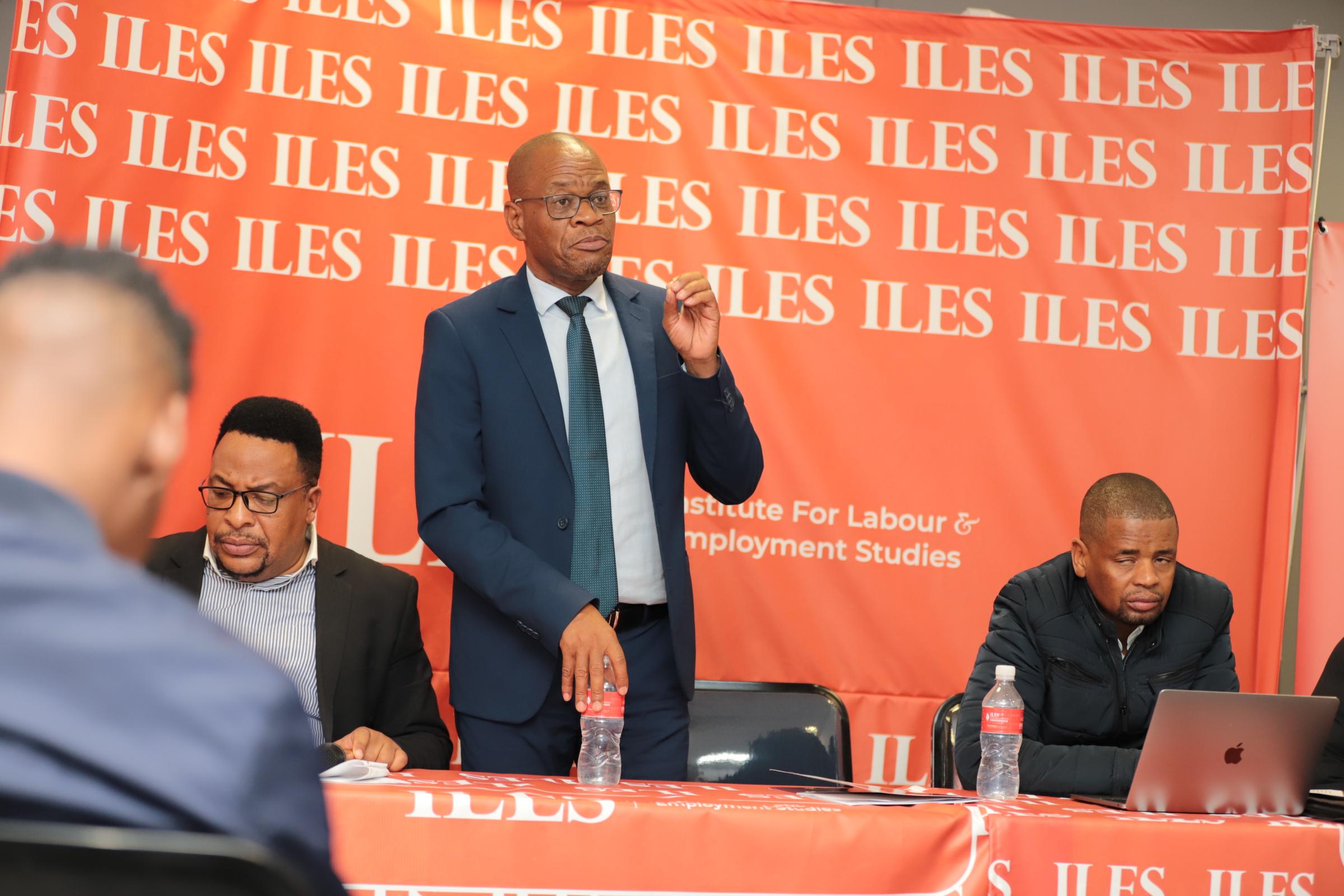
Shandukani Hlabano, Chief Executive Officer(CEO) of Institute for Labour and Employment Studies(ILES), said “The 4th Conference invites us to explore how labour rights and productivity can be protected and enhanced in the face of digital disruption from artificial intelligence and automation to platform work and data governance.”
He said, “At the Institute for Labour and Employment Studies, we have made a deliberate choice: To serve as a facilitator for social dialogue. We recognize that labour issues can be complex, and often difficult. But we also believe in the power of dialogue – in bringing together government, business and labour to collectively shape a just and responsive labour market.”
The dialogue will host a network of local and international delegates from the Public and Private Sector, worker organizations, development partners, civils society and academia.
Conference main thematic areas were generated from topical matters in the country and international agendas promoting digital transformation, decent work, inclusive socio-economic and environmentally growth, labour and employment trends as well as the Institutes insights over time.
David Mnjama, labour law expert at Institute for Labour and Employment Studies(ILES), said “Digital transformation that complements labour rights and productivity is fundamental in the change process. Structural transformations that support learning and growth in digital skills that advances higher levels of productivity is a requirement in the digital economy.”
He said, “Strategies required must include the use of various digital platforms and foster participation in employer-employee initiated technological change programmes, that advance workers rights, justice, equity and opportunity. Digital evolution requires reshaping of traditional industrial relations and existing legal and social frameworks in the world of work.”
The forthcoming 4th Annual ILES Conference is scheduled for 21-22nd August 2025 at Gaborone International Convention Centre(GICC).