

Kutlo Motseta
5th November 2025
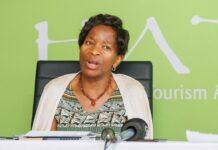
The mere presence of Wildlife in Botswana is an important economic commodity. United Nations Development Program coordinator, Ms. Keabetswe Keoagile, revealed that as a result of delays in the review of the Wildlife Conservation and Protection Areas Act, Botswana incurred serious financial losses.
“We can only imagine [how much was lost] … we can only calculate how much we got in the first year [of the review] 2022/2023, USD$ 7.8 million and in 20221/2022 USD$ 3.8 million,” said Keoagile.
These annual 100-million-pula plus figures, illustrate the economic significance of the sector and signifies the value of a simple and single dimension of the diverse business side of Wildlife and Tourism, which begs the question what else has been left unchecked in the sector.
Ms. Keoagile commented that the post covid figures are expected to be conservative because of the global pandemic impact of covid on global tourism.
Earlier in the year, UNDP collaborated with the government to review entrance fees through the ‘Protected Areas Resource Mobilisation Strategy and Partnership Plan.’ The fees hadn’t been reviewed for an astounding 19 years, notwithstanding factors such as inflation during that period.
“We work with [the] tourism [department] to provide technical expertise to implement their projects and assist them to meet biodiversity national targets … We assisted them to review their entrance fees for protected areas in Botswana. Parliament approved new fees in 2022,” said Keoagile.
Keitumetse Setlang, Chief Executive Officer(CEO) of Botswana Tourism Organisation, commented on the economic significance of wildlife.
“[We need to ask ourselves] how much value are we drawing from this resource [wildlife/biodiversity] … it’s also about the commitment that we are intending to invest in this resource … Any review of any Act is a necessary step in the right direction,” said Setlang.
She applauded Botswana’s elephant donation to Mozambique and Angola. This follows President Advocate Duma Boko’s onstage impromptu decision Wednesday 5th November 2025, to donate elephants to Angola at the request of the Angolan government during the ‘1st Africa Biodiversity Summit’.
“It’s an important step, this is an indication of [Botswana’s] dedication [to wildlife preservation],” said Setlang. She added that it’s important for the government to let go of elephants if it cannot maintain them all within the local ecosystem.
Botswana is well known for its elephant preservation efforts and is home to the biggest population of elephants in the world.
Setlang said, “We are deriving more value out of biodiversity than we are spending on it … not just from BTO but also the private sector, which contributes more than we give them credit for.”
At the Summit, Minister of Wildlife Conservation and Tourism, Wynter Mmolotsi expressed Botswana’s stance on conservation.
“We have committed 40% of our land for conservation purposes … [we have the] African Keystone Protected Areas program in order to protect Africa. Our economy is deeply intertwined with the ecosystem, when we protect our nation, we protect livelihoods,” said Mmolotsi