

21st August 2025
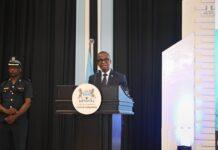
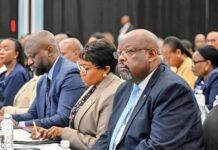
Owing to the risk of long term infections such as TB, COVID-19, hepatitis as well as allergies and respiratory illness (moulds, dust, pollen) there is an overwhelming need to identify exposure points and make a comprehensive risk assessment of long term disability loopholes revealed officials at the Fourth Institute Labour and Employment Studies(ILES) Labour Conference at Grand Palm International Centre(GICC).
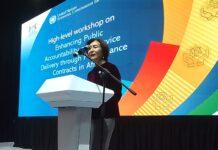
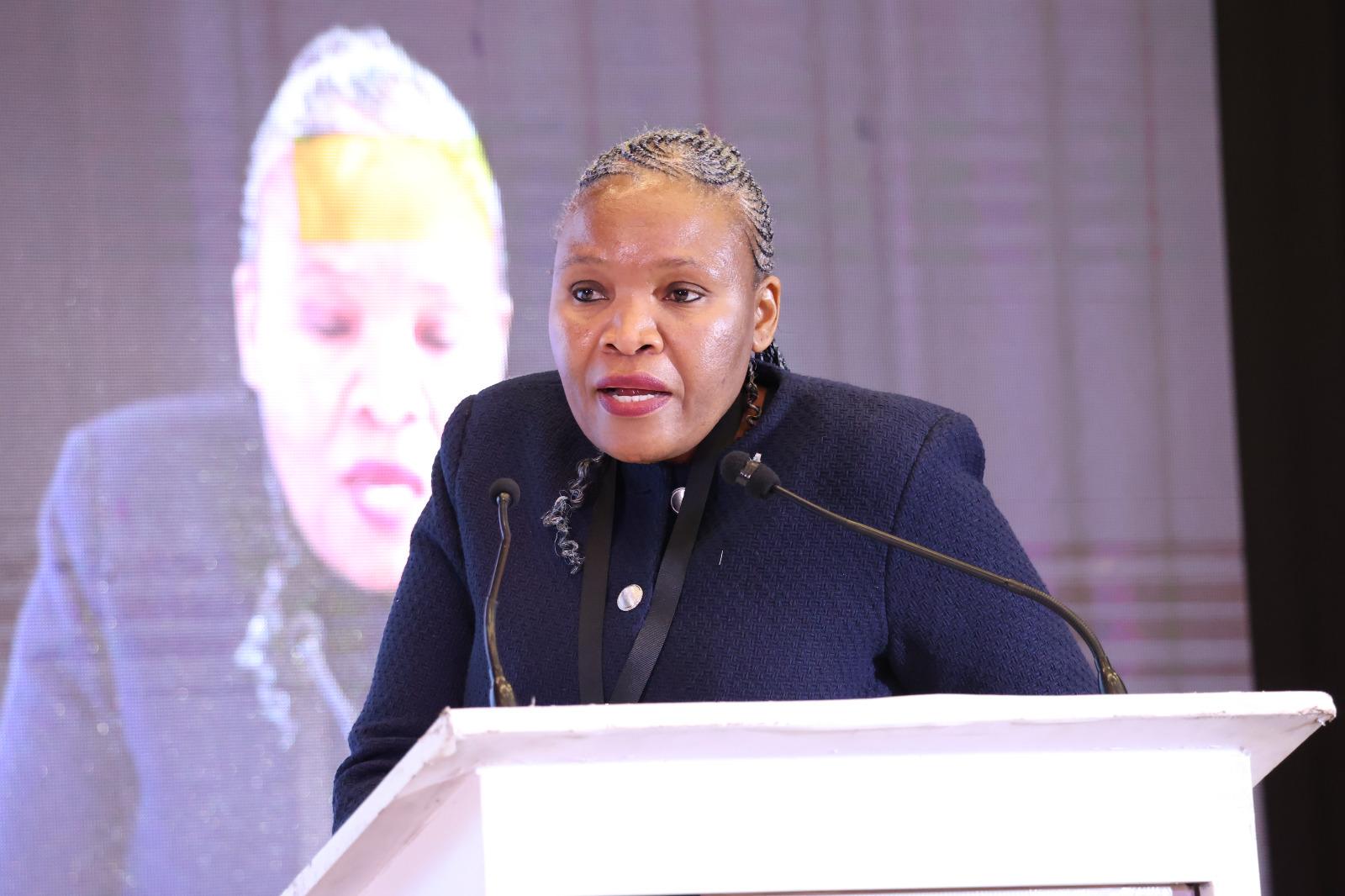
Dr. Sinah Y Seoke, Deputy Director in the Department of Occupational Health and Safety, said “Legislative and Policy Development on Occupational Safety and Health (OSH) in Botswana are compliance-based, mainly reactive and prescriptive – prescribes penalties if breaches occur.”
She said, “They mostly set minimum standards – Focus on exposure control, no reference to hierarchy of controls and provides basic welfare provisions, but is limited in scope.”
The framework for occupational health and safety is sector-limited (factories/industrial sites or mining), excluding many workplaces. There was a need for improved training on use of Personal Protective Equipment(PPE) and hygiene measures to enhance safety and health monitoring.
Officials say the adoption of such improved measures would also prevent accidents and reduce incidence of individuals exposed to hazardous exposures. The creation of new remote work arrangements could also be adopted to improve mental health of employees.
Whilst the use of technology was regarded as progressive it was revealed that the use of robots to replace humans would also create new risks. There are no explicit provisions on biological hazards, psycho social risks, and digital-era challenges in Botswana.
Officials say there are gaps in coverage of certain sectors especially in the informal sector. There was also a weak alignment with public health systems, climate-related responses, and cross-sector coordination. Implementation gaps also needed to be addressed.
“There was also insufficient protection for women, youth, and other vulnerable groups in the workforce,” said Seoke.
There was also a need to establish a National OSH Systems and Programs that are geared towards the Promotion of Preventative Culture.